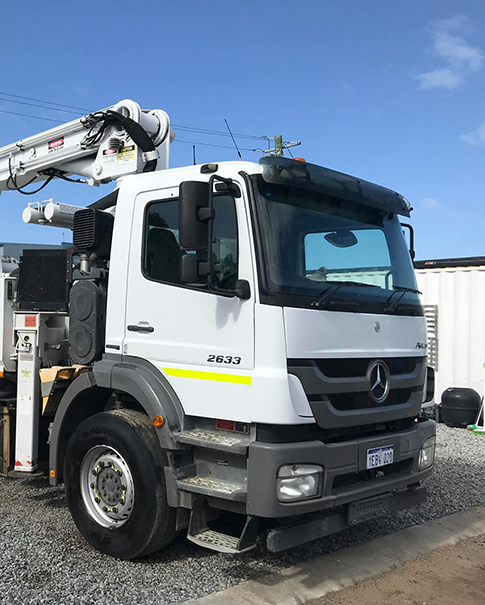

شهدت صناعة آلات البناء المحلية في الصين نموًا سريعًا في السنوات الأخيرة. وقد هيمنت قطع غيار الحفارات الصينية، بفضل مزاياها من حيث التكلفة المنخفضة، والإمداد المستقر، والقدرة العالية على التكيف، ليس فقط على سوق البنية التحتية المحلية، بل تُصدّر أيضًا إلى الخارج. مع ذلك، تعاني هذه الصناعة من وجود العديد من المصنّعين غير المطابقة للمواصفات، بما في ذلك ورش صغيرة تُنتج قطع غيار رديئة، ومواد تحمل علامات تجارية مزيفة، وتفتقر إلى خدمات ما بعد البيع. قد يؤدي اختيار المورّد الخاطئ إلى عواقب وخيمة، بدءًا من توقف المعدات عن العمل وتوقف الإنتاج، وصولًا إلى أعطال ميكانيكية خطيرة وتكاليف إصلاح باهظة. سيرشدك هذا الدليل العملي للشراء خطوة بخطوة إلى كيفية اختيار مورّدين محليين موثوقين لقطع الغيار، وتجنّب مخاطر الشراء.
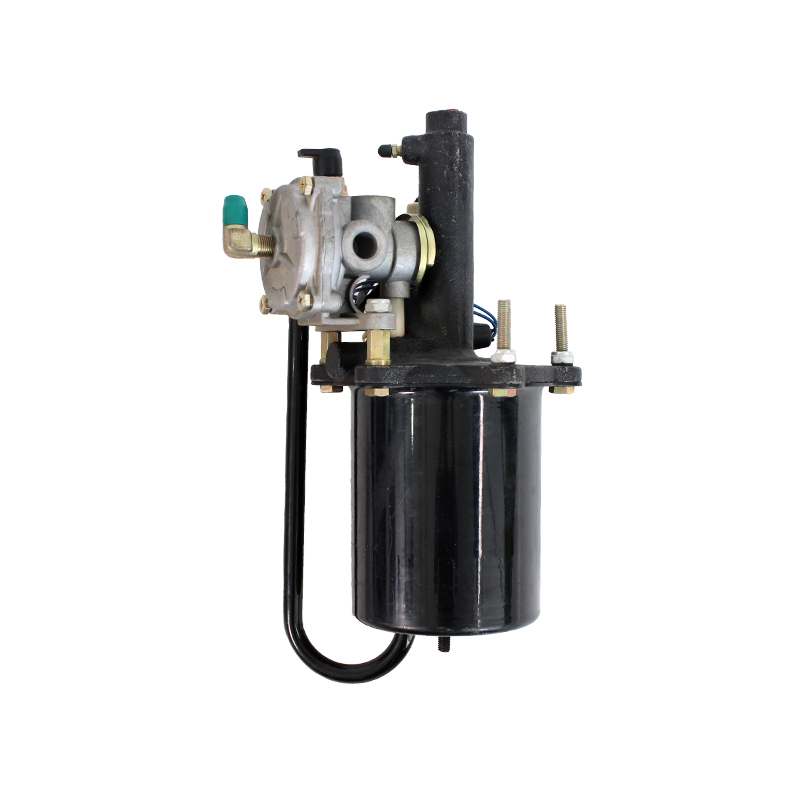
1. التحقق من المؤهلات الأساسية واستبعاد الشركات المصنعة غير المطابقة للمواصفات.
عند اختيار الموردين، تجنب مقارنة الأسعار أولاً؛ فالتحقق من مؤهلاتهم هو الخطوة الأولى. يجب أن يمتلك المصنعون الموثوقون شهادات تسجيل تجاري، وتراخيص إنتاج، وشهادات فحص جودة معتمدة في هذا المجال. أعطِ الأولوية للمصنعين الذين لديهم خبرة تزيد عن 5 سنوات في هذا القطاع، والذين سبق لهم تزويد مصنعي الحواسيب المركزية بقطع غيار أصلية. هذه الشركات على دراية بمعايير إنتاج آلات البناء، ومن غير المرجح أن تتهاون في الجودة.
تجنب نوعين من الموردين: الوسطاء الذين لا يملكون مصانع فعلية ويقبلون الطلبات عبر الإنترنت فقط؛ والورش الصغيرة ذات الوثائق غير المكتملة وغير القادرة على تقديم شهادات مطابقة المنتج. تحمل قطع الغيار من الشركات المصنعة الموثوقة ختمًا فريدًا ورقم دفعة إنتاج، مما يضمن تتبع المنتج بالكامل. وهذا دليل بالغ الأهمية لخدمات ما بعد البيع وحماية الحقوق.
2. التعمق أكثر في قدرات مراقبة الجودة وتحديد جودة المكونات.
تعمل مكونات هيكل الحفارة، والمكونات الهيدروليكية، والمكونات الإنشائية في ظروف قاسية، وتشكل المواد الرديئة أكبر خطر على السلامة. غالبًا ما تستخدم أسنان ودبابيس الجرافات الرخيصة المتوفرة في السوق فولاذًا كربونيًا عاديًا بدلًا من فولاذ 40Cr القياسي، مما يؤدي إلى كسرها وتآكلها بسرعة بعد فترة استخدام قصيرة، وبالتالي إلى حوادث خطيرة. عند الشراء، اطلب دائمًا من الموردين تقديم تقارير اختبار المواد، وأعطِ الأولوية للتحقق من بيانات الاختبار الطيفي للمكونات الحيوية.
يمتلك الموردون الموثوقون خطوط إنتاج متكاملة مجهزة بأجهزة التبريد السريع، وكشف العيوب، واختبار الضغط، ويطبقون نظام فحص ثلاثي المراحل قبل الشحن. يُنصح بإجراء اختبارات عينات قبل الشراء بالجملة.يجب إجراء تقييمات، والتحقق من قدرة الورشة وعمليات فحص الجودة في الموقع. وينبغي استبعاد الموردين الذين يعتمدون فقط على الوعود الشفهية أو يرفضون تقديم عينات للاختبار فوراً.
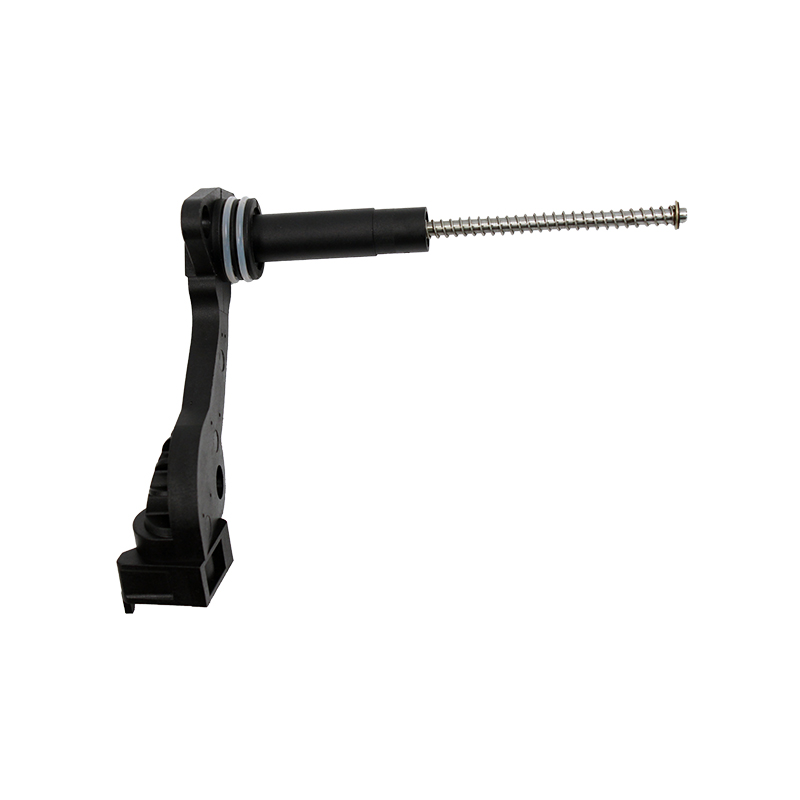
3. تقييم القدرة على التوريد لضمان استقرار التسليم.
في قطاع البناء، تكون المواعيد النهائية ضيقة، وأي تأخير في التسليم يُكبّد الشركات خسائر اقتصادية. لذا، يتطلب اختيار الموردين التحقق من حجم المصنع، ومستويات المخزون، واستقرار سلسلة التوريد. عادةً ما يحتفظ المصنّعون الأصليون ذوو السمعة الطيبة بمخزون من القطع الشائعة، مثل مكونات الهيكل، والمضخات الهيدروليكية، ومحركات الحركة، مما يُسهّل الشحن السريع؛ أما بالنسبة للقطع المُخصصة وغير القياسية، فلديهم معدات معالجة خاصة بهم، مما يضمن أوقات تسليم قابلة للتحكم.
من الضروري أيضاً تجنب التعاقد من الباطن مع الموردين. إذ تقوم هذه الشركات بتعهيد الإنتاج إلى ورش صغيرة بعد تلقي الطلبات، مما يؤدي إلى مواعيد نهائية غير قابلة للتحكم، وجودة قطع غيار غير متسقة، ومسؤوليات غير واضحة لما بعد البيع، ومخاطر عالية للنزاعات.
4. وضع اللمسات الأخيرة على شروط ما بعد البيع لتجنب الصعوبات في حماية حقوقك.
قطع غيار آلات البناء سلع صناعية استهلاكية، وخدمة ما بعد البيع الشاملة هي اختبار حقيقي لقوة المورد. يُحدد المصنعون الموثوقون بوضوح فترة الضمان الكتابي: من 3 إلى 6 أشهر لمكونات الهيكل، وأكثر من 6 أشهر لمكونات النظام الهيدروليكي، مع إمكانية الإرجاع والاستبدال مجانًا، وتعويض عن خسائر النقل الناتجة عن مشاكل الجودة غير الناجمة عن سوء الاستخدام.
تأكد من وقت استجابة خدمة ما بعد البيع قبل توقيع عقد الشراء، وارفض الضمانات الشفهية. احذر من الموردين ذوي الأسعار المنخفضة؛ فغالباً ما تتنصل هذه الشركات من المسؤولية بعد البيع. قد يبدو سعر الشراء منخفضاً، لكن تكاليف الإصلاحات اللاحقة وخسائر التوقف عن العمل ستفوق في النهاية الفوائد المرجوة.
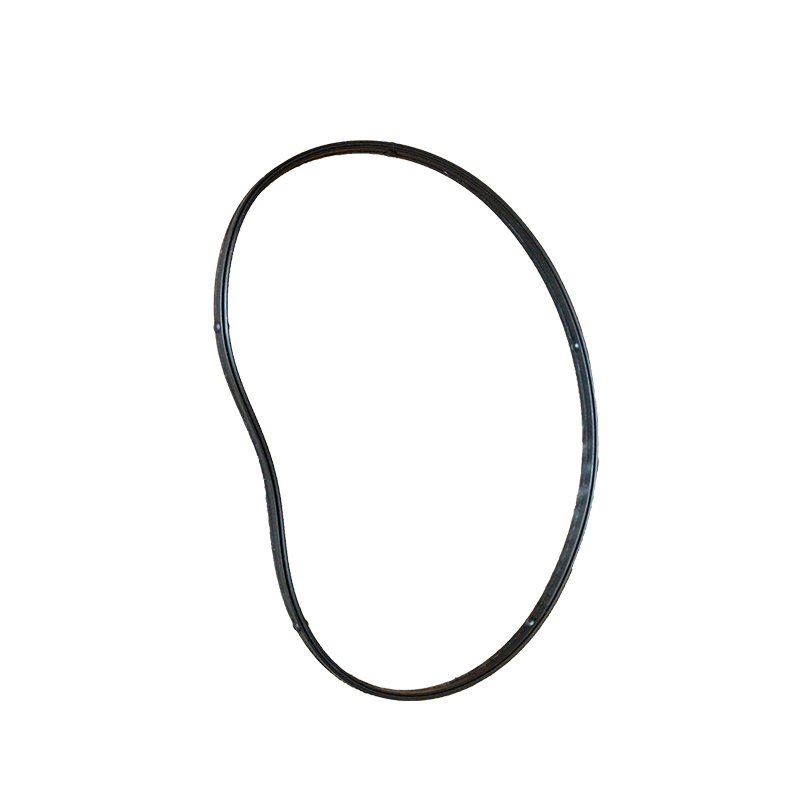
اليوم، تخلصت الصناعة الصينية منذ زمن طويل من صورة الشركات المصنعة للمعدات الأصلية منخفضة الجودة، حيث يوجد عدد كبير من مصنعي قطع غيار الحفارات عالية الجودة الذين يوازنون بين الجودة والفعالية من حيث التكلفة. لم يعد منطق الشراء الأساسي يرتكز على إعطاء الأولوية لأقل سعر، بل على ضمان الامتثال للمواصفات، وتلبية معايير المواد، والتحكم في التسليم، وتقديم خدمة ما بعد البيع موثوقة. إن الالتزام بحدود الشراء الأساسية واختيار موردين موثوقين يساهم في خفض تكاليف صيانة المعدات، وضمان سلاسة العمل في الموقع، وتعظيم مزايا قطع الغيار المنتجة محلياً.
WhatsApp : +86 15060839695
WhatsApp : +86 19396061127
البريد الإلكتروني : deyauncindywu@gmail.com
البريد الإلكتروني : deyuanywyi@dyqp.cn
تل : +86 15060839695
تل : +86 19396061127